


Iliyasu S. Yahaya
Abuja, Nigeria
The United Kingdom has decided not to participate in the United States’ planned naval blockade targeting Iran, signaling a more cautious approach as tensions escalate in the Middle East. While British military assets—including minesweepers and counter-drone systems—will remain active in the region, they will not be used to restrict access to Iranian ports.
Officials in London emphasized their continued commitment to safeguarding global trade routes, particularly the vital Strait of Hormuz, a key artery for global energy supplies. The UK government stressed that maintaining open shipping lanes is essential to stabilizing the global economy and easing cost-of-living pressures domestically.
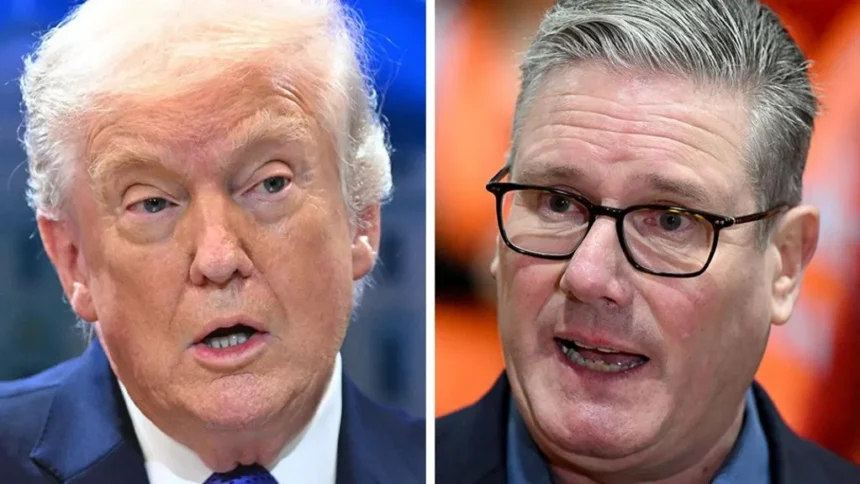
The US move follows failed diplomatic efforts with Iran in Islamabad, after which President Donald Trump announced a sweeping maritime blockade. The US military confirmed it would monitor and restrict vessels linked to Iran, while allowing free passage to ships traveling to non-Iranian destinations.
Despite suggestions from Washington that allies, including NATO members, might assist, Prime Minister Keir Starmer has maintained a firm stance against direct UK military involvement. Instead, he continues to advocate for de-escalation and multilateral cooperation to ensure freedom of navigation.
The strategic Strait of Hormuz—through which roughly 20% of global oil and gas supplies pass—has become a focal point of the crisis. Iran’s reported restrictions and new transit fees have further intensified concerns, contributing to a surge in oil prices, with Brent crude surpassing $100 per barrel.
Meanwhile, the UK is engaging with international partners, including France, to form a broader coalition aimed at protecting maritime routes without escalating the conflict. Diplomatic efforts are ongoing, with senior UK officials expected to raise the issue at upcoming global economic meetings.